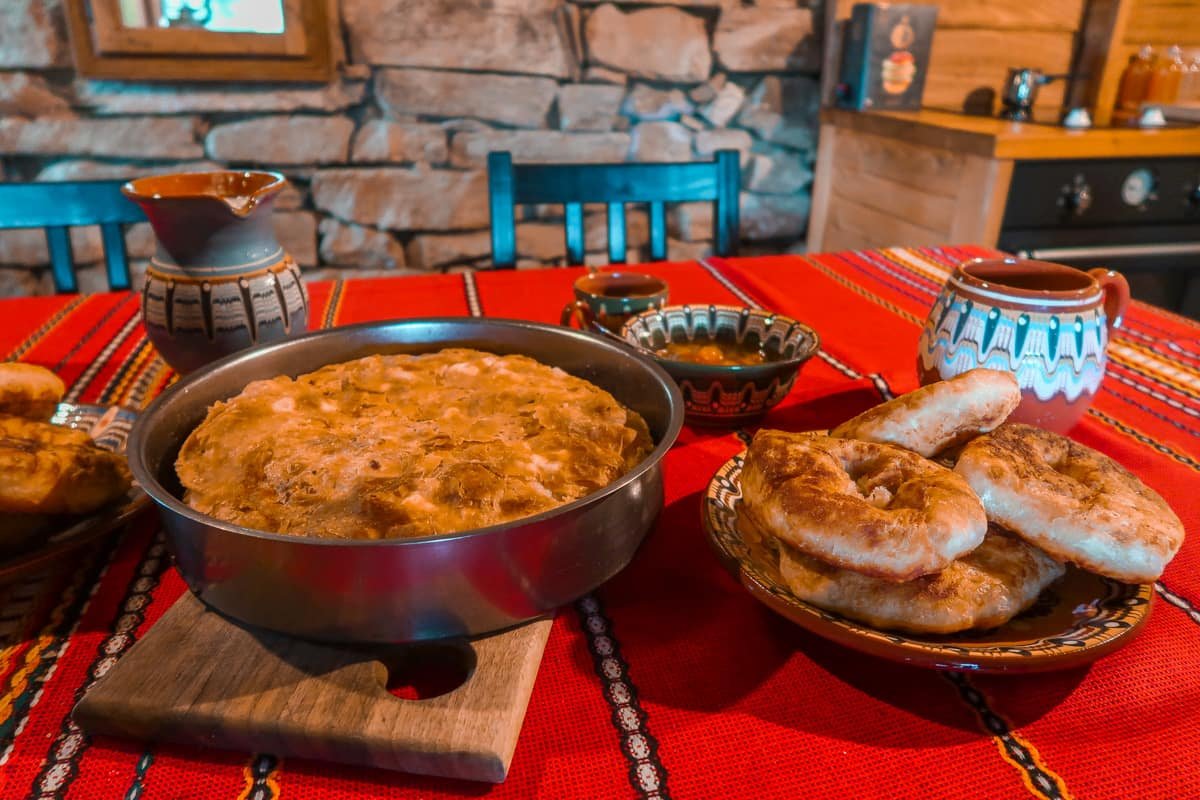
Bulgarian food isn’t just about filling your plate—it’s about filling your soul. From the crisp bite of a summer salad to the comforting warmth of a clay-pot stew, these dishes tell stories of ancient Thracian roots, Ottoman influences, and generations of grandmothers perfecting recipes in cozy kitchens. I’ve wandered through Sofia’s bustling markets, shared laughs over rakia in Plovdiv’s old town, and even tried my hand at rolling banitsa dough at a family gathering in the Rhodopes. If you’re planning a trip to Bulgaria or just craving something new at home, this guide to the 16 most popular Bulgarian dishes will have you hooked.
These aren’t random picks; they’re the ones locals swear by, the ones that top every taverna menu, and the ones that keep expats like me dreaming of that next flight to the Balkans. Let’s dive in.
Why Bulgarian Cuisine Deserves a Spot on Your Bucket List
Bulgarian dishes stand out for their simplicity and freshness. Think farm-fresh veggies, tangy dairy, and meats grilled to perfection—no fancy foams or microgreens here. The cuisine draws from the country’s fertile soils, Black Sea fish, and mountain herbs, creating meals that are hearty yet light. Whether you’re a meat lover, veggie fan, or yogurt enthusiast, there’s something for everyone. And the best part? Most are easy to recreate at home with pantry staples.
The 16 Most Popular Bulgarian Dishes
1. Shopska Salad: Bulgaria’s Vibrant National Icon
Shopska salad is the dish that screams “Welcome to Bulgaria.” Every meal starts with it, and honestly, it could be the whole meal on a hot day. Chopped tomatoes, cucumbers, onions, and peppers topped with grated sirene cheese—it’s like the Bulgarian flag on a plate, red, white, and green.
- Key Ingredients: Ripe tomatoes, crisp cucumbers, red and green peppers, white onions, sirene (Bulgarian feta-like cheese), sunflower oil, vinegar, and parsley.
- Why It’s a Favorite: Invented in the 1960s to highlight local produce, it’s now a staple at every celebration. The cheese melts slightly from the veggies’ juices, creating a creamy tang.
- Pro Tip: Roast the peppers for extra smokiness—it’s a game-changer.
- Personal Twist: On my first trip to Varna, I devoured three bowls in one sitting at a beachside mehana. The waiter chuckled and said, “You’re eating like a true Shopi!”
How to Make Shopska Salad at Home
Start with the freshest veggies you can find. Dice them small, toss with a simple dressing, and pile on the cheese. It takes 10 minutes and pairs with everything from grilled meats to a cold beer.
- 4 medium tomatoes
- 1 large cucumber
- 1 red pepper, 1 green pepper
- 1 small onion
- 100g sirene cheese
- Salt, oil, vinegar to taste
Chop, mix, grate cheese on top. Boom—Bulgarian summer in a bowl.
2. Banitsa: The Flaky Pastry That Fuels Bulgaria
Banitsa is Bulgaria’s breakfast queen, but you’ll find it any time of day. Layers of thin filo dough filled with eggs, yogurt, and sirene cheese, baked until golden and crispy on the outside, soft inside. It’s like a hug from your Bulgarian baba.
- Key Ingredients: Filo sheets, sirene, eggs, yogurt, butter.
- Variations: Sweet versions with pumpkin (tikvenik) or savory with spinach, leeks, or even minced meat.
- Cultural Role: Served at holidays, weddings, and even fortune-telling on New Year’s Eve with hidden coins.
- Humor Alert: I once burned a batch trying to impress friends—lesson learned: low and slow in the oven.
Banitsa Recipe Essentials
Unroll the filo, brush with butter, layer the filling, roll or fold, and bake at 180°C for 40 minutes. Serve warm with ayran for the full experience.
3. Tarator: The Cooling Soup of Summer
Tarator is what Bulgarians reach for when the heat hits. This chilled yogurt soup with cucumbers, garlic, and dill is refreshing, creamy, and surprisingly addictive. It’s like gazpacho’s cooler Balkan cousin.
- Key Ingredients: Thick yogurt, grated cucumbers, garlic, walnuts, dill, olive oil.
- Why Popular: Perfect for hot days, and it’s probiotic-rich thanks to that famous Bulgarian yogurt.
- Fun Fact: Some say it originated as a Greek recipe tweaked with local flair.
- My Story: After a hike in the Pirin Mountains, a bowl of tarator revived me like magic.
Quick Tarator Prep
Blend yogurt with water, add chopped cukes and herbs, chill for an hour. Top with walnuts for crunch.
4. Bulgarian Moussaka: Layers of Comfort
Forget Greek moussaka—this Bulgarian version swaps eggplant for potatoes, making it heartier and more family-friendly. Minced meat, potatoes, and a yogurt-egg topping baked to bubbly perfection.
- Key Ingredients: Potatoes, ground pork/beef, onions, tomatoes, eggs, yogurt, spices like cumin and paprika.
- Best For: Weeknight dinners—it’s a one-pan wonder.
- Comparison: Softer and less eggplant-heavy than its Mediterranean rival.
- Emotional Pull: My host family in Bansko made it for me on a rainy evening; it felt like pure love on a plate.
Moussaka Made Simple
Brown the meat, layer with sliced potatoes, pour the custard topping, bake 45 minutes. Serve with shopska on the side.
5. Sarmi: Stuffed Rolls of Tradition
Sarmi are little flavor bombs—cabbage or vine leaves wrapped around rice, meat, and herbs. Winter versions use fermented cabbage; summer ones are lighter with grape leaves.
- Key Ingredients: Cabbage leaves, rice, minced meat, onions, dill, yogurt for serving.
- Holiday Staple: Christmas Eve must-have, often meatless for fasting.
- Pros: Portable, make-ahead friendly. Cons: Rolling takes practice (but worth it).
- Real Talk: I tried making them once—my first batch looked like sad burritos, but the taste? Chef’s kiss.
Sarmi Step-by-Step
Blanch leaves, fill with rice mix, roll tight, simmer in tomato broth for 1 hour. Top with yogurt.
6. Kebapche: The Grilled Meat Stick
Kebapche are elongated minced meat sausages, grilled over charcoal. Cumin, garlic, and herbs make them juicy and aromatic—Bulgaria’s answer to a hot dog, but better.
- Key Ingredients: Pork and beef mince, cumin, black pepper, salt.
- Pairing: Always with fries, lyutenitsa, and a cold Zagorka beer.
- Why Iconic: Part of every mixed grill platter.
- Humor: Locals say three kebapche equal one happy Bulgarian—I’ve tested this theory.
Kebapche at Home
Mix, shape into logs, grill 10 minutes. Flip often for even char.
7. Meshana Skara: The Ultimate Grill Feast
Meshana skara is the mixed grill to end all mixed grills: kebapche, kyufte (meatballs), pork chops, and sausages. It’s carnivore heaven, served sizzling on a hot plate.
- Key Ingredients: Assorted meats, grilled veggies on the side.
- Social Vibe: Meant for sharing at mehanas with friends and endless rakia toasts.
- Table Comparison:
| Dish | Meat Type | Spice Level | Best With |
|---|---|---|---|
| Kebapche | Sausage | Mild | Beer |
| Kyufte | Ball | Herbal | Shopska |
| Pork Chop | Steak | Smoky | Wine |
- My Memory: In Sofia’s Central Market, I demolished a full platter—regrets? None.
8. Kavarma: Stew in a Clay Pot
Kavarma simmers meat, onions, peppers, and mushrooms in a spiced sauce, served bubbling in a gyuveche pot. It’s rustic, aromatic, and impossible to resist.
- Key Ingredients: Pork, onions, tomatoes, paprika, bay leaves.
- Best Eaten: Straight from the oven, with crusty bread to mop up the juices.
- Variations: Chicken or veggie versions for lighter days.
- Appeal: That clay pot locks in flavors like nothing else.
Kavarma Cooking Hack
Brown meat, add veggies, slow-cook in oven at 160°C for 2 hours. Seal the pot with dough for authenticity.
9. Gyuvetch: The Vegetable-Packed Casserole
Gyuvetch is a hearty mix of meat, potatoes, eggplant, and peppers baked in an earthenware dish. It’s Bulgaria’s ultimate comfort food, especially in winter.
- Key Ingredients: Beef or pork, seasonal veggies, eggs, kashkaval cheese.
- Why Loved: One-pot magic—prep once, feast for days.
- LSI Tip: Search “Bulgarian gyuvetch recipe” for regional twists.
- Story Time: A Plovdiv grandmother taught me her secret: a splash of wine at the end.
10. Kiselo Mlyako: Bulgaria’s Liquid Gold
Bulgarian yogurt, or kiselo mlyako, is thick, tangy, and probiotic-packed—thanks to that unique Lactobacillus bulgaricus strain. It’s eaten plain, in soups, or as a base for everything.
- Key Ingredients: Just milk and culture.
- Health Perk: Better for digestion than most yogurts.
- Everyday Use: Breakfast with honey, or in banitsa filling.
- Fun Fact: Bulgarians live longer partly because of this stuff.
11. Shkembe Chorba: The Hangover Hero
Shkembe chorba is tripe soup—spicy, garlicky, and soul-reviving. Don’t knock it till you try it; it’s a Bulgarian rite of passage after a night out.
- Key Ingredients: Beef tripe, milk, paprika, vinegar, garlic.
- Pro: Cures what ails you. Con: Acquired taste.
- Where to Get It: Late-night spots in Sofia.
- Personal Note: Skeptical at first, but it won me over.
12. Lyutenitsa: The Red Gold Spread
Lyutenitsa is a roasted pepper and tomato relish, mildly spicy and utterly addictive. Slather it on bread, meats, or eggs—it’s Bulgaria’s ketchup.
- Key Ingredients: Red peppers, tomatoes, onions, garlic, cumin.
- Seasonal: Made in fall during pepper harvest.
- Versatile: Dip, sauce, or side.
- Humor: I once ate a whole jar in one go—worth the heartburn.
13. Snezhanka Salad: The Creamy Yogurt Dream
Snezhanka, or “Snow White” salad, is strained yogurt with cucumbers, garlic, and walnuts. Thicker than tarator, it’s a perfect mezze starter.
- Key Ingredients: Yogurt, cukes, dill, walnuts.
- Why Popular: Light yet satisfying.
- Comparison to Tzatziki: Less watery, more Bulgarian punch.
14. Chushki Burek: Stuffed Pepper Bliss
Chushki burek are peppers filled with cheese and eggs, fried golden. Crispy outside, melty inside—pure joy.
- Key Ingredients: Bell peppers, sirene, eggs, flour.
- Snack Status: Street food favorite.
- Veggie Win: Meat-free and delicious.
15. Mekitsa: Fried Dough Delight
Mekitsa are fluffy fried dough pillows, served sweet or savory. Breakfast gold, especially with powdered sugar or cheese.
- Key Ingredients: Flour, yogurt, yeast.
- Best Paired: With boza (fermented drink).
- Childhood Memory: Every Bulgarian kid’s favorite.
16. Lukanka: The Cured Sausage Star
Lukanka is a dry-cured salami of pork and veal, spiced and aged to perfection. Slice it thin for mezze or sandwiches.
- Key Ingredients: Pork, veal, cumin, garlic.
- Regional Pride: Variations by town.
- Shelf Life: Travels well—great for picnics.
People Also Ask: Burning Questions About Bulgarian Food
What is the most popular dish in Bulgaria?
Shopska salad and banitsa top the charts—simple, fresh, and everywhere.
What’s a traditional Bulgarian breakfast?
Banitsa or mekitsa with yogurt and coffee. Hearty yet quick.
Is Bulgarian moussaka different from Greek?
Yes—potatoes instead of eggplant, milder spices, and a yogurt topping.
What do Bulgarians eat with rakia?
Shopska, lukanka, and grilled meats—it’s the perfect pairing.
Where can I find authentic Bulgarian food outside Bulgaria?
Look for Balkan restaurants in major cities, or order sirene and filo online.
FAQ: Your Bulgarian Food Questions Answered
How do I recreate these dishes at home?
Stock up on sirene, yogurt, and filo. Most recipes are forgiving and use basic techniques.
Are these dishes vegetarian-friendly?
Many are—like tarator, shopska, and banitsa variants. Veggie sarmi and gyuvetch abound.
What’s the best time to visit for food?
Summer for fresh salads and grills; winter for stews and pastries.
Can I buy ingredients in the US or UK?
Yes—Bulgarian stores or Amazon for sirene, rakia, and spices.
Is Bulgarian food spicy?
Mild overall, but lyutenitsa and shkembe pack a punch.
Bulgarian cuisine is more than food—it’s a way of life. From bustling Sofia eateries to quiet mountain villages, these 16 dishes capture the heart of a nation. Next time you’re at the store, grab some yogurt and peppers. Your taste buds (and maybe your soul) will thank you.