Picture this: You’re sitting at a weathered wooden table in a tiny konoba on the Dalmatian coast, the Adriatic sparkling just beyond the stone walls. A waiter slides over a steaming pot of peka, its lid lifted to reveal tender lamb nestled among potatoes, all infused with rosemary and the faint char of open flames. That first bite? It’s not just food—it’s a story of sun, sea, and centuries of tradition. If you’re heading to Croatia, skipping the traditional dishes would be like visiting Paris without a croissant. I’ve chased these flavors from the truffle-scented hills of Istria to the paprika-kissed plains of Slavonia, and trust me, this cuisine will hook you harder than any beach selfie.
Croatian food isn’t flashy or fussy. It’s honest, rooted in the land and sea that define this narrow strip of a country. With influences from Italy, Austria, Hungary, and the Ottomans, every bite tells of invaders turned neighbors. But what makes it special? Freshness. Everything—from the olive oil drizzled on salads to the pršut air-dried by the bura wind—comes straight from the source. And the best part? It’s accessible. No Michelin-star pretension here; just grandmas in aprons serving up what they’ve perfected over lifetimes.
The Story Behind Croatia’s Diverse Cuisine
Croatia’s culinary map is as varied as its landscapes—rugged mountains in the north, fertile plains in the east, and a thousand islands hugging the coast. This “cuisine of regions” evolved from ancient Illyrian roots, Greek colonies, Roman feasts, and later empires that left their spice racks behind. Coastal areas lean Mediterranean: think olive oil, garlic, and seafood plucked from the Adriatic that morning. Inland? Hearty stews simmered for hours, heavy on paprika and pork.
I’ve hiked the Velebit mountains and feasted on game stews that warmed me to the core, then ferried to Hvar for grilled fish so fresh it practically jumped off the plate. The secret? Locals treat food like family—shared, seasonal, and savored slowly. Whether you’re a meat lover or seafood fiend, Croatia delivers. But here’s the real draw: It’s forgiving. Mess up an order? The waiter will laugh it off and bring you a shot of rakija to make amends.
Coastal Delights: Dalmatia and Istria’s Seafood Symphony
The Adriatic coastline is Croatia’s culinary crown jewel, where Italian flair meets Slavic soul. Dalmatia, stretching from Zadar to Dubrovnik, boasts sun-drenched flavors, while Istria up north is a truffle hunter’s dream. Here, the sea dictates the menu, but don’t overlook the herbs and oils that elevate everything.
In my travels, a simple lunch in Split—fresh sardines grilled with a squeeze of lemon—outshone fancier meals elsewhere. These regions prove that less is more: quality ingredients, minimal fuss.
Pašticada: Dalmatia’s Slow-Simmered Beef Masterpiece
Pašticada is the dish that screams “wedding feast” in Dalmatia. Tender beef, marinated overnight in vinegar and spices, then braised for hours with prunes, figs, and red wine until it melts like butter. Served with homemade gnocchi, it’s sweet, sour, and utterly addictive—a far cry from your average stew.
I first tried it in a family-run spot near Dubrovnik, where the owner shared how his nonna taught him the recipe. The aroma alone had me hooked; one bite, and I was plotting my return. Look for it in konobas around Split or Hvar—order it early, as it takes time to prepare right.
Crni Rižot: The Bold Black Risotto from the Sea
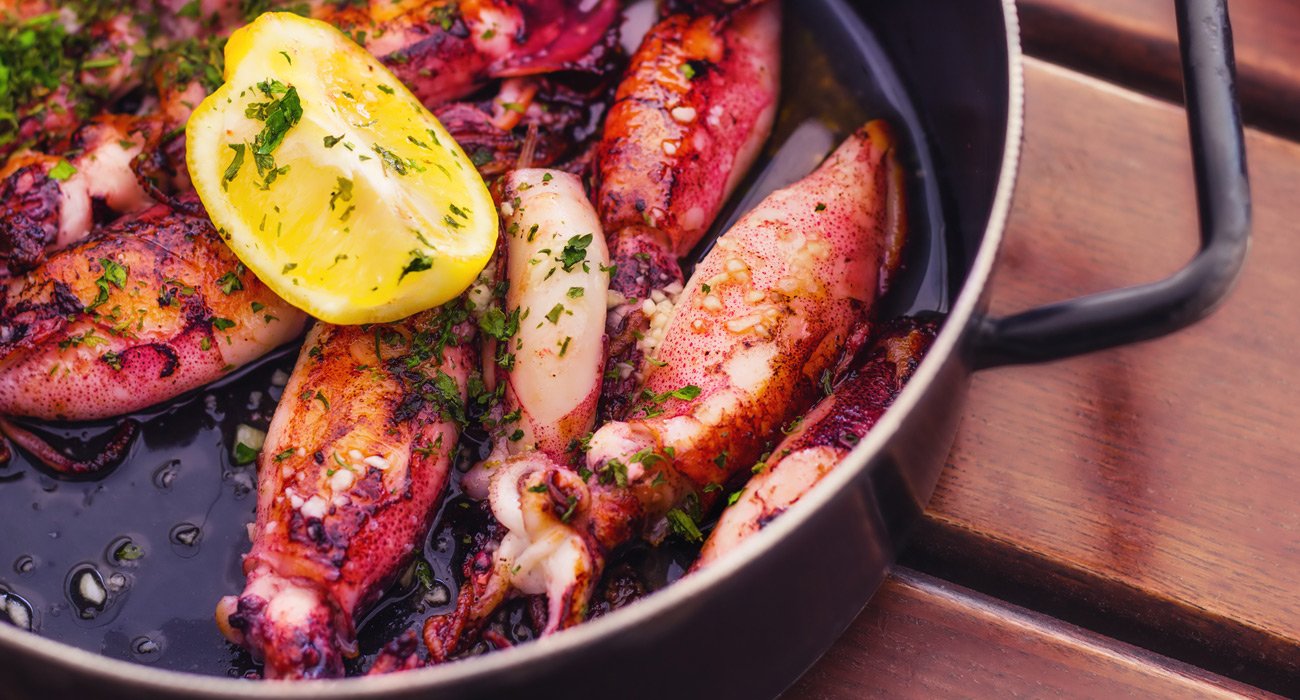
Don’t let the inky color fool you—crni rižot, or black risotto, is a coastal superstar. Cuttlefish ink turns the rice midnight black, while garlic, onion, and white wine build a briny depth. Add shrimp or squid, and you’ve got a dish that’s as dramatic as the sunset over the Adriatic.
Picture me in Zadar, fork in hand, staining my napkin but grinning ear to ear. Locals swear it boosts your mood (thanks to natural compounds in the ink). It’s everywhere on the coast, but the best versions come from fishermen’s haunts in Šibenik or Korčula. Pair it with a crisp Pošip wine, and you’re living the Dalmatian dream.
Peka: The Under-Bell Wonder of Slow Cooking
Peka isn’t a dish—it’s a method that’s pure Croatian genius. Meat (lamb, veal, or octopus) and veggies like potatoes and carrots get tucked under a heavy iron or clay bell, buried in hot coals for hours. The result? Juices trapped inside, flavors intensified, everything fork-tender.
On Cres island, I watched a chef build the fire at dawn for our lunch peka. By noon, the lamb was legendary—crispy edges, smoky soul. You’ll find it inland too, but coastal spots near Makarska shine. Pro tip: Call ahead; this isn’t fast food.
Fuži with Truffles: Istria’s Earthy Luxury
Istria’s white truffles are the stuff of foodie legend—rarer and more potent than their French cousins. Shaved over fuži, those quirky tube-shaped pastas, they turn a simple plate into poetry. Olive oil from local groves and a dusting of parmesan seal the deal.
Hunting truffles in Motovun’s forests was a highlight of my trip, dogs yapping as we unearthed gems. Back at a konoba, the pasta was heaven. Head to Livade or Buzet for the real deal—truffle festivals in fall are magical.
Inland Hearty Fare: Zagreb, Zagorje, and Slavonia’s Comfort Classics
Head east or north, and the vibe shifts to robust, soul-warming plates. Zagreb’s Austro-Hungarian roots shine in pastries, while Slavonia brings the heat with paprika. These are the dishes that fuel farmers and families through long winters.
A chilly evening in Zagreb, tucking into štrukli by the fire? Pure bliss. Inland food hugs you back.
Štrukli: Zagreb’s Cheesy Pastry Hug
Štrukli, from the Zagorje hills, is Croatia’s answer to comfort food. Thin dough stretched paper-thin, filled with fresh cheese, eggs, and sour cream, then boiled or baked until golden. Savory or sweet, it’s versatile as a starter, main, or dessert.
I devoured mine at La Štruk in Zagreb, where the owner boasted of her grandmother’s recipe. The baked version, with a crispy top and creamy inside, won me over. Try it in Samobor or any Zagreb bistro—it’s on every menu for a reason.
Kulen and Čevapi: Slavonia’s Spicy Sausage Legacy
Kulen, a smoked pork sausage from Slavonia, packs a paprika punch—spicy, garlicky, and aged to perfection. Pair it with čevapi, those grilled minced-meat sausages, and you’ve got a Balkan barbecue dream.
At a market in Osijek, I sampled kulen so fiery it made my eyes water—in the best way. These are street food staples, but seek out family producers in Vukovar for the authentic stuff. Great with a cold beer.
Čobanac: The Shepherd’s Fiery Stew
Čobanac hails from Slavonia’s plains, a thick stew of beef, pork, and game simmered with onions, tomatoes, and heaps of paprika. It’s what shepherds ate after long days herding—nutritious, bold, and meant for sharing.
I joined a local feast near Đakovo, where the pot bubbled over an open fire. The heat lingers, but so does the flavor. Find it in konobas around Slavonski Brod—pair with cornbread for the full experience.
Seafood Sensations You Can’t Miss
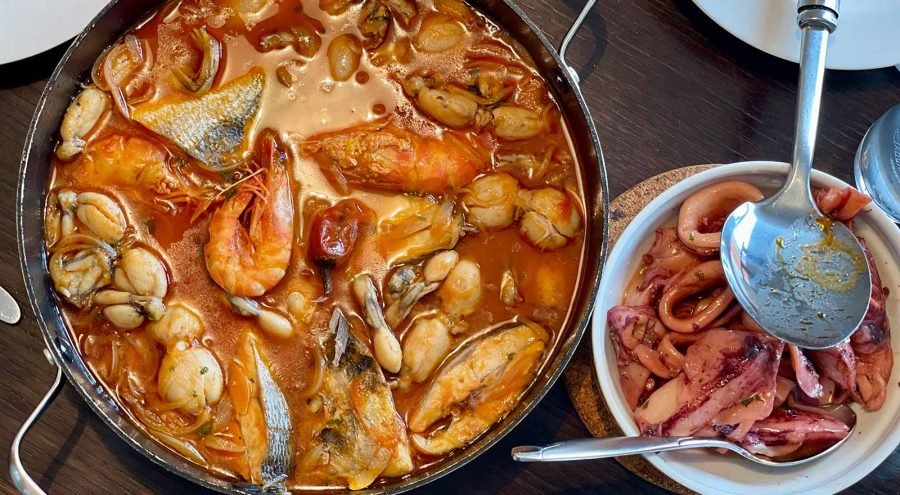
Croatia’s 1,000+ islands mean seafood is non-negotiable. From buzara (shellfish in garlic-wine sauce) to brudet (fish stew with polenta), these dishes celebrate the catch of the day.
A sunset dinner on Hvar with mussels buzara? Unforgettable. Freshness is key—avoid tourist traps.
- Buzara: Clams or mussels sautéed in white wine, garlic, and parsley. Simple, slurpable perfection.
- Brudet: A fisherman’s stew of mixed fish, tomatoes, and vinegar—rustic and restorative.
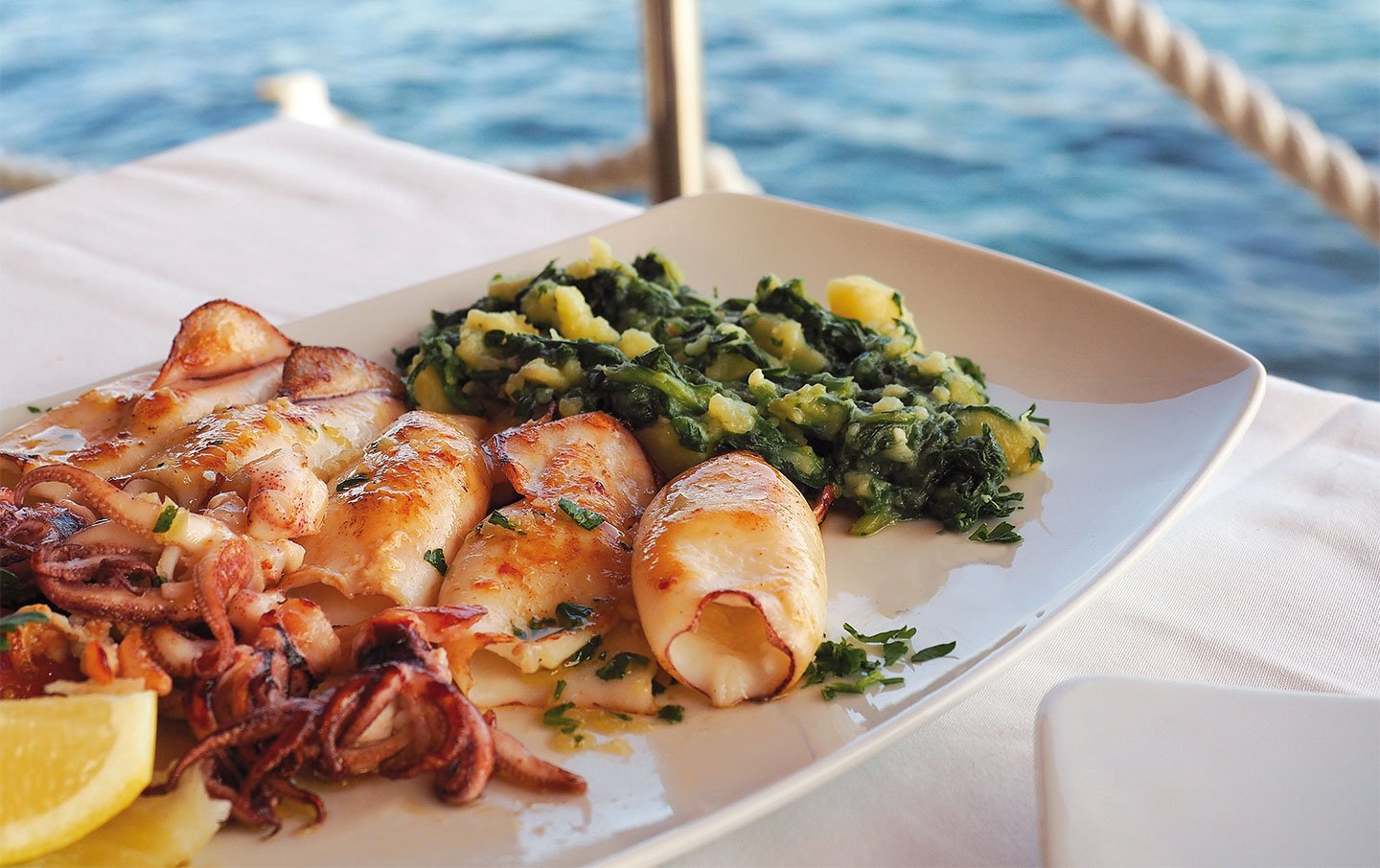
- Grilled Fish: Whole sea bass or bream, kissed by flames and herbs. Ubiquitous on the coast.
Sweet Treats to End on a High Note
No Croatian meal ends without something sweet. Fritule—fried dough balls dusted with sugar—are festival favorites, while rožata, a custard flan, nods to Dubrovnik’s history.
I scarfed fritule at a Split market, sticky fingers and all. These bites balance the savory perfectly.
| Sweet Croatian Favorites | Description | Best Paired With |
|---|---|---|
| Fritule | Rum-raisin doughnuts, crispy outside, fluffy inside | Coffee or dessert wine |
| Rožata | Caramel-topped custard, creamy and light | After a heavy meal |
| Kremšnita | Layered custard cake, Zagreb’s pride | Afternoon tea |
Pairing with Croatian Wines and More
Wine is woven into the fabric here—over 130 native grapes. Try Plavac Mali from Pelješac with pašticada, or Malvazija from Istria with truffles. And don’t forget rakija, the fruit brandy that starts and ends every gathering.
In Dubrovnik, a winery tour ended with a toast that felt like home. Croatia’s wines are world-class but under-the-radar—grab a bottle to take home.
Coastal vs. Inland: A Quick Comparison
| Aspect | Coastal (Dalmatia/Istria) | Inland (Zagreb/Slavonia) |
|---|---|---|
| Key Flavors | Seafood, olive oil, herbs, citrus | Paprika, lard, smoked meats, dairy |
| Cooking Style | Grilled, stewed, fresh | Slow-simmered, baked, hearty |
| Standout Dish | Crni rižot or peka | Štrukli or čobanac |
| Best For | Light lunches, summer vibes | Comfort on chilly days |
Pros of Coastal: Lighter, healthier, stunning views.
Cons: Can be pricier in tourist spots.
Pros of Inland: Filling, affordable, soulful.
Cons: Heavier—save for cooler weather.
Answering Your Burning Questions About Croatian Food (PAA)
Google’s “People Also Ask” pulls up these gems—here’s the scoop:
What is the most famous food in Croatia?
Pašticada and peka top the list, but pršut and black risotto are close runners-up. They’re the ones locals brag about.
What should I eat in Croatia for the first time?
Start with a mixed platter: pršut, cheese, and olives. Then dive into peka or crni rižot. It’s approachable and builds your confidence.
Is Croatian food spicy?
Mostly mild, but Slavonian dishes like kulen bring the heat. Coastal fare is gentler—garlic and herbs rule.
Where to get the best traditional Croatian food?
In konobas (taverns) away from main squares. Try Stari Fijaker in Zagreb or Konoba Menego on Hvar.
What is a typical Croatian breakfast?
Burek (flaky pastry with cheese or meat) or bread with pršut and cheese. Simple, satisfying, and paired with strong coffee.
FAQ: Your Croatian Food Questions, Answered
Q: Are there vegetarian options in traditional Croatian cuisine?
A: Absolutely—štrukli, soparnik (chard pie), and blitva (garlicky chard and potatoes) are stars. Istrian pastas shine too.
Q: How do I find authentic spots without tourist traps?
A: Ask locals, use apps like TripAdvisor for “konoba” reviews, or join a food tour. Avoid Old Town centers in peak season.
Q: What’s the best time to try peka?
A: Lunch or dinner in rural areas. It’s labor-intensive, so smaller places excel.
Q: Can I cook these at home?
A: Yes! Pašticada simmers well in a slow cooker. Search for recipes from Croatian grandmas online.
Q: Is Croatian food kid-friendly?
A: Very—ćevapi, pizza, and fritule win over little ones. Just watch the spice in Slavonia.
Croatian food isn’t just a meal—it’s an invitation to slow down, connect, and taste the heart of a nation. From my first peka to that last glass of wine under the stars, it’s changed how I travel. Next time you’re in Croatia, skip the burgers. Embrace the peka, the pršut, the passion. Your taste buds (and your soul) will thank you.