By Marko Petrović, Croatian Food Enthusiast and Travel Writer
I’ve crisscrossed Croatia from the rugged Dinaric Alps to the sun-kissed Adriatic islands more times than I can count. Each trip reminds me why Croatian food isn’t just a meal—it’s a story whispered through generations. Born from the clash of Mediterranean breezes and continental heartiness, this cuisine captures the soul of a nation that’s been shaped by Romans, Venetians, Ottomans, and Austrians. Whether you’re chasing truffles in Istria or savoring lamb under the stars on Pag, every bite feels like home. If you’re planning your Croatian adventure, these 13 dishes are your passport to authenticity. Let’s dive in, plate by plate.
Why Croatian Cuisine Captivates Travelers
Croatian food thrives on simplicity and fresh, local ingredients. Coastal kitchens lean on the sea’s bounty—think olive oil, garlic, and herbs—while inland tables pile on hearty meats and breads. It’s not flashy like French haute cuisine, but it’s honest, flavorful, and deeply tied to place. I’ve sat at family tables where grandmas ladle out stews simmered for hours, and the laughter flows as freely as the wine. This isn’t fast food; it’s slow-cooked heritage.
Regional Flavors: From Sea to Summit
Croatia’s 1,000-plus miles of coastline and inland plains create a culinary map worth exploring. Dalmatia screams seafood and peka, Istria whispers truffles and pasta, and Slavonia roars with spicy sausages. Zagreb bridges it all with schnitzels and strukli. The beauty? You can taste the differences in one road trip. Pro tip: Pair everything with local wines—Plavac Mali reds or Malvazija whites.
13 Must-Try Croatian Dishes
These aren’t just recommendations; they’re the dishes that define Croatian tables. I’ve ordered them in tiny konobas and upscale spots, and each one has a tale.
Ćevapi: The Ultimate Street Grill
Ćevapi are those juicy minced meat “fingers” grilled to perfection, served with flatbread, onions, and ajvar. A Balkan staple embraced nationwide, they’re Croatia’s go-to for quick, satisfying bites. I once devoured a plate at a roadside stand near Split after a hike—pure bliss with a cold beer.
- Key Ingredients: Beef, pork, lamb; onions; ajvar (roasted pepper relish).
- Best Paired With: Lepinja bread and kajmak (clotted cream).
- Where to Try: Konoba in any city, or street vendors in Zagreb.
Kulen: Slavonia’s Smoky Star
This fiery cured sausage from eastern Croatia packs a punch with paprika and garlic. Smoked and aged for months, it’s a charcuterie hero. My first taste was at a family picnic in Osijek—spicy enough to wake the senses but addictive.
- Key Ingredients: Pork, paprika, garlic; natural casing.
- Best Paired With: Fresh bread and Slavonian red wine.
- Where to Try: Markets in Slavonia or gourmet shops in Zagreb.
Štrukli: Zagorje’s Cheesy Comfort
Štrukli is thin dough filled with cottage cheese, baked or boiled until golden. A northern gem, it’s like a savory strudel. I learned to make it in a Zagorje kitchen—rolling dough by hand, the scent filling the air.
- Key Ingredients: Flour, eggs, cottage cheese, sour cream.
- Best Paired With: As a side or standalone with yogurt.
- Where to Try: Le Štruk in Zagreb for the full experience.
Punjene Paprike: Stuffed Peppers Done Right
These bell peppers overflow with minced meat and rice, slow-simmered in tomato sauce. A home-cooked favorite, they’re tender and soul-warming. One rainy afternoon in Dubrovnik, a local invited me in for seconds—pure hospitality.
- Key Ingredients: Peppers, beef/pork mince, rice, tomatoes.
- Best Paired With: Mashed potatoes.
- Where to Try: Family-run konobas across the country.
Sarma: Cabbage Rolls with Heart
Sarma wraps meaty filling in fermented cabbage leaves, braised to perfection. Winter’s ultimate comfort food, it’s a holiday staple. I helped roll them once at a friend’s house in Karlovac—the process bonds you.
- Key Ingredients: Sauerkraut, mince, rice, spices.
- Best Paired With: Bread and sour cream.
- Where to Try: Inland restaurants in Zagreb or Slavonia.
Zagrebački Odrezak: The Capital’s Schnitzel Twist
This breaded veal cutlet hides ham and cheese inside—Zagreb’s upgrade on the classic. Crispy outside, melty within. After a long day exploring the Upper Town, it hit the spot like nothing else.
- Key Ingredients: Veal, ham, cheese, breadcrumbs.
- Best Paired With: Fries and cabbage salad.
- Where to Try: Bistro-style spots in Zagreb.
Crni Rižot: The Iconic Black Risotto
Squid ink turns this rice dish jet-black, infused with cuttlefish and white wine. Dalmatia’s signature, it’s earthy and briny. My teeth turned black after the first bite in Ston—worth every laugh.
- Key Ingredients: Arborio rice, squid, ink, garlic, wine.
- Best Paired With: Grated cheese and white wine.
- Where to Try: Seafood spots in Split or Dubrovnik.
Brudet: Fishermen’s Stew Supreme
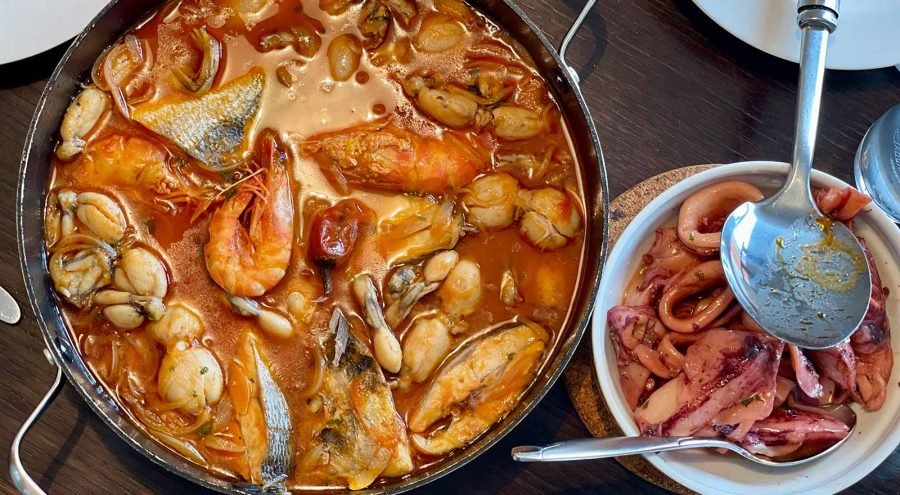
This spicy fish stew bubbles with assorted seafood in a tomato-wine broth. Served with polenta, it’s coastal soul food. Picture sharing it with locals on a Hvar terrace—memories made.
- Key Ingredients: Mixed fish, onions, tomatoes, vinegar.
- Best Paired With: Polenta and rosé.
- Where to Try: Konobas in Istria or Dalmatia.
Buzara: Mussels in Wine Bliss
Mussels simmered in garlic, wine, and breadcrumbs—eaten by hand, sauce-soaked bread mandatory. Simple seaside perfection. I slurped my way through a bucket in Mali Ston, the oyster capital.
- Key Ingredients: Mussels, white wine, garlic, parsley.
- Best Paired With: Crusty bread (no utensils needed!).
- Where to Try: Dalmatian harborside eateries.
Soparnik: Poljica’s Green Pie
This flat pie layers Swiss chard, garlic, and herbs between dough sheets, baked on hot stones. A vegetarian Dalmatian treasure. Tasted fresh from a wood oven near Omiš—crispy, herby heaven.
- Key Ingredients: Chard, onions, olive oil, dough.
- Best Paired With: As a snack or side.
- Where to Try: Poljica region spots or modern twists in Split.
Janjetina na Ražnju: Spit-Roasted Lamb
Whole lamb turns on a spit for hours, herbs infusing every bite. Festive and tender, it’s Croatia’s celebration dish. Watched one roast on Brač island—aroma alone was intoxicating.
- Key Ingredients: Lamb, rosemary, garlic, olive oil.
- Best Paired With: Potatoes and salad.
- Where to Try: Island grills or Klis fortress area.
Pašticada: Dalmatia’s Beefy Queen
Beef marinated in wine, prunes, and spices, then slow-braised to fork-tender. Served with gnocchi, it’s a labor of love. Ordered it in a Hvar alley—melted in my mouth.
- Key Ingredients: Beef, red wine, cloves, prunes.
- Best Paired With: Homemade gnocchi.
- Where to Try: Dalmatian classics in Split or Dubrovnik.
Fuži s Tartufima: Istria’s Truffle Pasta
Hand-rolled fuži pasta tossed with shaved black or white truffles. Earthy luxury in every twirl. Foraged and cooked in Livade—my most decadent meal.
- Key Ingredients: Fuži pasta, truffles, butter, parmesan.
- Best Paired With: Istrian white wine.
- Where to Try: Truffle hotspots in Istria.
Coastal vs. Continental: A Quick Comparison
| Aspect | Coastal Dishes | Continental Dishes |
|---|---|---|
| Dominant Flavors | Seafood, olive oil, herbs | Meats, paprika, hearty sauces |
| Cooking Style | Grilled, stewed, fresh | Slow-braised, baked, grilled |
| Signature Ingredients | Fish, squid, wine | Pork, cabbage, cheese |
| Best For | Summer seaside meals | Winter family feasts |
| Calorie Level | Lighter, Mediterranean | Heavier, comforting |
Coastal wins for freshness, but continental steals the heart in cold months.
Pros and Cons of Croatian Dining
Pros:
- Hyper-local and seasonal—zero food miles.
- Generous portions and affordable prices.
- Wine pairings that elevate everything.
- Street food that’s elevated (hello, burek).
Cons:
- Can be meat-heavy for vegetarians.
- Some spots close early (siesta vibes).
- Tourist traps exist—stick to konobas.
People Also Ask About Croatian Food
What is the most famous dish in Croatia?
Pašticada often takes the crown, but peka (not in our list but a close cousin) and black risotto are neck-and-neck. It’s subjective, but locals debate it over rakija.
Is Croatian food spicy?
Mildly, thanks to kulen and čobanac stews. Not Thai-level, but paprika adds kick in the east.
What do Croatians eat for breakfast?
Simple: bread with cheese or pršut, yogurt, and coffee. No big spreads—save room for lunch.
Where can I find authentic Croatian food?
Skip tourist strips; head to family konobas or markets. Apps like TasteAtlas help.
Is Croatian cuisine healthy?
Absolutely—olive oil, fresh produce, and fish dominate. It’s Mediterranean at heart, though portions tempt indulgence.
How to Experience Croatian Food Like a Local
Book a food tour in Split or a truffle hunt in Istria. Chat with chefs—many share family recipes. And always say “hvala” (thanks) after a great meal.
FAQ: Your Burning Questions Answered
What should first-timers order?
Start with black risotto and peka. Build from there.
Are there vegetarian options?
Yes—strukli, soparnik, and grilled veggies shine.
How much does a meal cost?
€10-20 for mains in konobas; splurge on seafood.
Best time for food festivals?
Summer for seafood fests; autumn for truffles.
Can I cook these at home?
Absolutely—search for peka kits online.
Croatian food isn’t just fuel; it’s connection. Next time you’re there, skip the pizza—embrace the real deal. Your taste buds (and soul) will thank you. Bon appétit, or as we say, dobar tek!