Imagine stepping into a cozy Serbian kafana, the air thick with the sizzle of grilled meats and the warm aroma of freshly baked bread. Your plate arrives piled high—juicy sausages nestled in soft flatbread, a dollop of creamy spread on the side, and a vibrant red relish that promises a kick. That’s Serbian cuisine in a nutshell: hearty, unpretentious, and utterly inviting. Whether you’re a curious traveler planning your first trip to Belgrade or just someone who loves discovering new flavors from the comfort of your kitchen, this easy 101 guide will walk you through everything you need to know. From ancient roots to modern twists, we’ll cover the essentials so you can dive in like a local.
The Rich History of Serbian Cuisine
Serbian cuisine isn’t just food—it’s a story of survival, celebration, and cultural blending that’s been simmering for centuries. Born at the crossroads of empires, it reflects the resilient spirit of a people who turned simple ingredients into feasts that bring families together. Think of it as the ultimate comfort food, shaped by mountain herders, Ottoman traders, and Balkan neighbors.
Influences from Empires Past
The Ottomans left their mark with grilled meats and phyllo pastries, while Byzantine and Greek touches added layers of dairy and herbs. Central European influences brought hearty stews, and Slavic traditions kept it grounded in seasonal produce. It’s this mix that makes every bite feel like a history lesson—deliciously so.
From Pastoral Roots to Modern Tables
In the highlands, shepherds relied on sheep, goats, and preserved meats, leading to dishes rich in protein and grains. Today, with no GMOs allowed and a focus on fresh, local fare, Serbian kitchens honor those roots. Modern chefs are innovating, but the soul remains the same: generous portions that say “welcome home.”
Essential Ingredients in Serbian Cooking
At the core of every Serbian meal are a handful of standout ingredients that turn everyday cooking into something special. These aren’t fancy imports—they’re what grows in the fertile valleys and pastures, making flavors bold yet balanced. Mastering them is your first step to cooking like a baba (grandma).
Meats: The Backbone of the Feast
Pork, beef, and lamb dominate, often minced, grilled, or slow-cooked. Cured options like pršuta (air-dried ham) and kobasice (sausages) shine in winter. The secret? High-quality, grass-fed animals from small farms, grilled over open flames for that smoky edge.
Dairy Delights: Kajmak and Friends
Kajmak, that thick, clotted cream from cow’s milk, is the MVP—spread on everything. Add sir (white cheese), pavlaka (sour cream), and yogurt for richness. These make even simple breads feel indulgent, a nod to the pastoral heritage.
Peppers and Produce: The Vegetable Stars
Red peppers steal the show, roasted into ajvar. Cabbage for sarma, beans for prebranac, and tomatoes, onions, garlic for salads. Fruits like plums fuel rakija and slatko preserves. Freshness is key—Serbs shop markets daily.
Iconic Dishes: From Street Food to Feast Staples
Serbian food shines brightest in its classics, where grilled meats meet comforting sides. These dishes aren’t complicated, but they pack personality. Start here, and you’ll understand why Serbs eat with such gusto.
Grilled Meats: Ćevapi and Pljeskavica
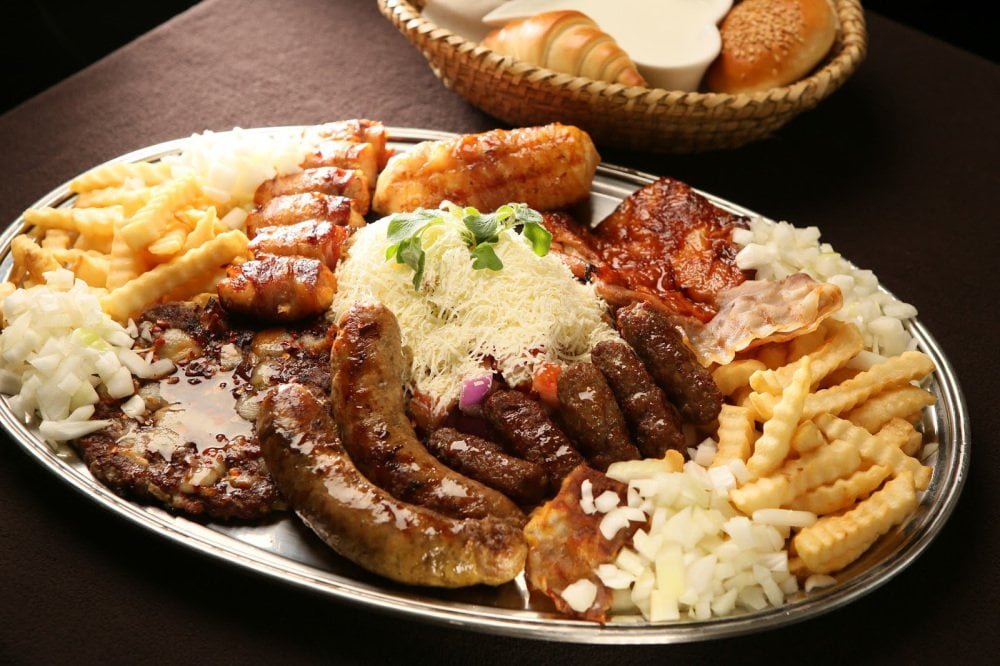
Ćevapi are the undisputed kings—finger-sized grilled minced meat rolls (beef, pork, or mix) served with onions, kajmak, and lepinja bread. Bite in, and the juices explode. Pljeskavica ups the ante: a massive, spiced patty like a Balkan burger, often stuffed or topped with cheese. Both scream “party platter.”
Sarma: The Comforting Cabbage Rolls
Picture sour cabbage leaves wrapped around spiced meat and rice, simmered in tomato sauce for hours. It’s winter’s hug in a bowl, often with smoked ribs for depth. Every family swears their version is best—mine? The one with extra garlic from my host in Novi Sad.
Prebranac: Hearty Bean Casserole
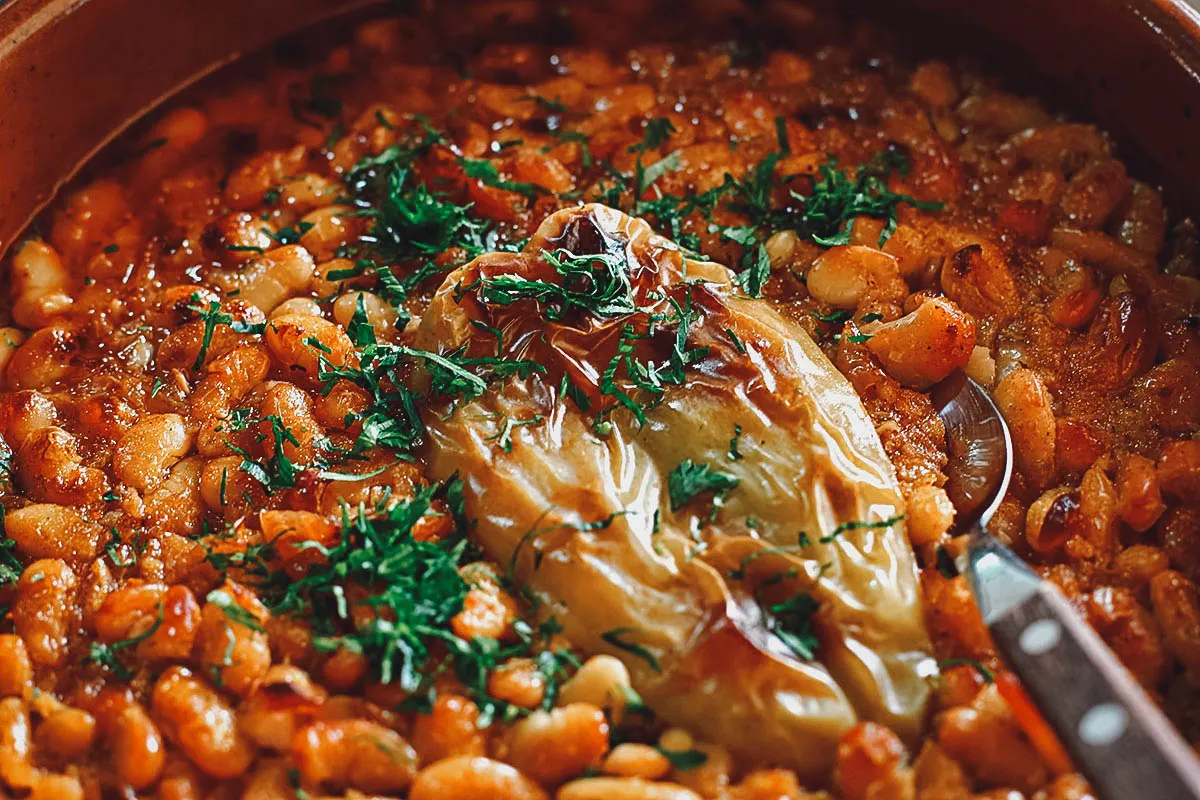
White beans baked with onions, paprika, and sometimes bacon until caramelized and creamy. A Friday fasting favorite, but meat-lovers add sausage. Simple, smoky, and satisfying—perfect for cold nights.
Karađorđeva Šnicla: The Hero’s Steak
Named after a revolutionary, this rolled veal or pork stuffed with kajmak, breaded, and fried is pure decadence. Crispy outside, molten inside, served with fries and tartar sauce. It’s the “girl’s dream” dish that lives up to the hype.
Breakfast and Breads: Starting the Day Right
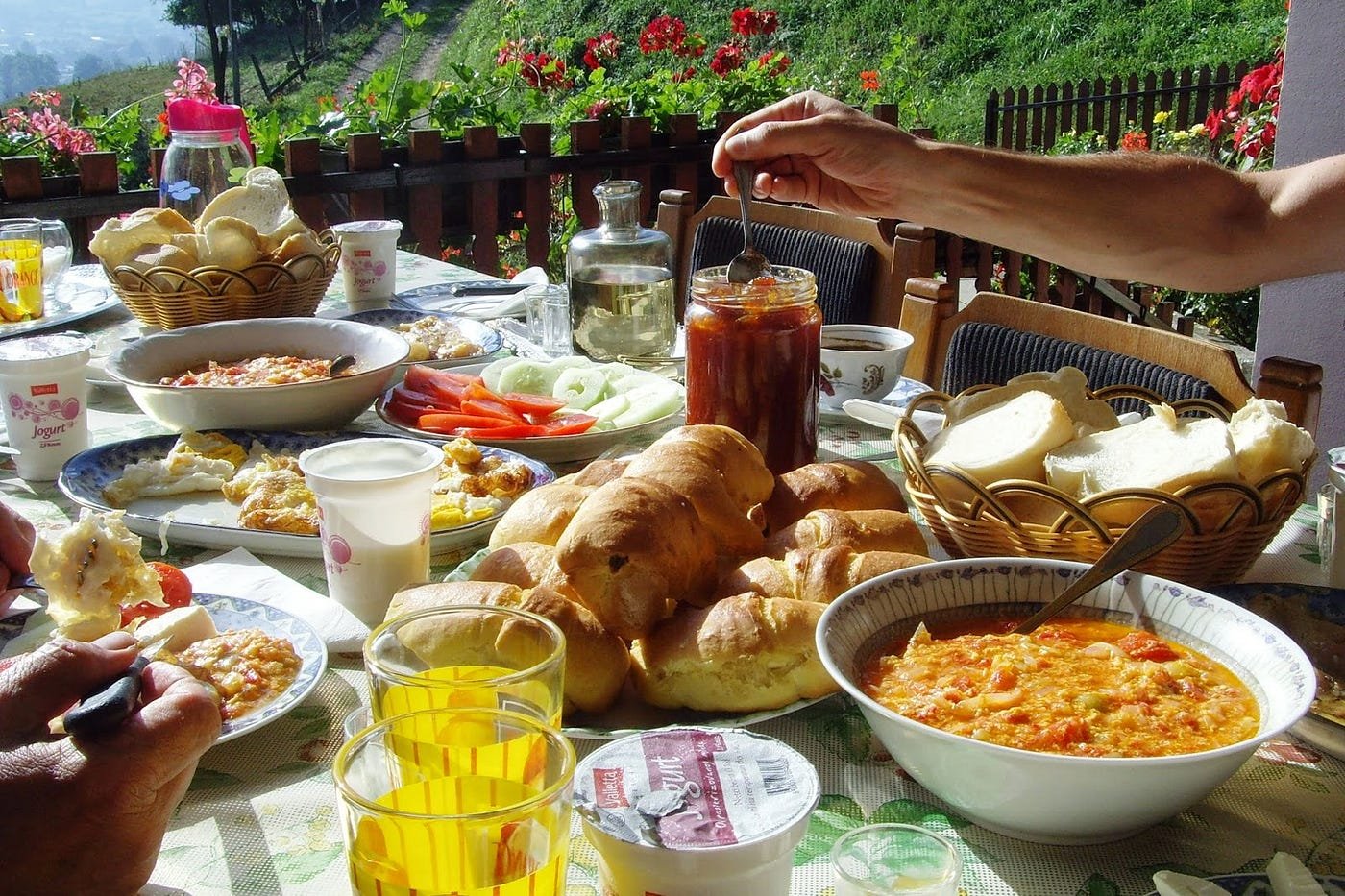
Serbs don’t skimp on mornings. Breakfast is a ritual, often grabbed from a pekara (bakery) on the way to work. These carb-heavy starters fuel long days and pair perfectly with strong coffee.
Burek and Gibanica
Burek: flaky phyllo filled with meat, cheese, or spinach—crispy, savory bliss. Gibanica layers filo with eggs, cheese, and cream for a pie that’s equally at home sweet or savory. Grab a slice with yogurt; it’s street food elevated.
Uštipci and Komplet Lepinja
Uštipci are fluffy fried dough balls, dusted with sugar or jam—think Serbian beignets. Komplet lepinja? A flatbread soaked in kajmak and egg gravy from roast meat. “Heart attack on a plate,” locals joke, but oh, what a way to go.
Sides and Accompaniments: The Supporting Cast
No Serbian meal is complete without these flavor boosters. They’re what tie everything together, adding brightness, creaminess, and crunch.
Ajvar: Serbian Caviar
Roasted red peppers blended with eggplant, garlic, and oil—sweet, smoky, addictive. Spread on bread, dollop on meats, or eat by the spoonful. Homemade batches are a fall tradition; store-bought works in a pinch.
Kajmak: Creamy Perfection
This unpasteurized dairy spread is buttery, tangy, and versatile. On warm bread? Divine. With grill? Essential. It’s Serbia’s answer to clotted cream, but with a salty edge that elevates everything.
Salads: Fresh and Vibrant
Šopska salad—tomatoes, cucumbers, peppers, onions, and feta—cuts through richness like a knife. Urnebes adds spice with cheese and chilis. Always fresh, never fussy.
| Dish | Key Ingredients | Best Paired With | Why You’ll Love It |
|---|---|---|---|
| Ajvar | Red peppers, garlic, oil | Grilled meats, bread | Smoky depth in every bite |
| Kajmak | Cow’s milk cream | Burek, ćevapi | Melts into creamy heaven |
| Šopska Salad | Veggies + feta | Any main | Bright, refreshing contrast |
Sweets and Desserts: Ending on a Sweet Note
Serbian sweets are simple yet soulful, often fruit-forward or nutty. They’re for slavas (saint’s days) or just because—perfect with that post-meal rakija.
Vanilice and Krofne
Vanilice: walnut cookies sandwiched with jam, rolled in vanilla sugar. Krofne: jam-filled doughnuts, golden and pillowy. Both evoke childhood holidays, with a lightness that surprises.
Slatko and Rakija Pairings
Slatko—fruit preserves served with a spoon as a welcome gesture. Pair with rakija (plum brandy) for the full experience. Sweet meets fiery, a toast to hospitality.
Drinks: From Rakija to Serbian Wine
Serbia’s drinks are as integral as the food. They loosen tongues and seal friendships.
Rakija: The National Spirit
Distilled from plums, apricots, or grapes—40% ABV and homemade pride. Sip it neat after meals; it’s medicinal, they say. Pro tip: Start slow.
Wines and Beyond
Fruška Gora reds and whites rival Europe’s best. Bermet, a spiced dessert wine, is unique. Beer like Jelen flows freely, but wine steals the spotlight at feasts.
Regional Variations: A Taste of Serbia’s Diversity
Serbia’s regions offer twists that keep things exciting. Vojvodina leans Hungarian with strudels; Šumadija roasts whole pigs; the south amps up the spice.
How to Experience Serbian Cuisine: Tips for Beginners
Ready to try? Here’s how to make it happen, whether in Serbia or at home.
- In Serbia: Hit Belgrade’s Skadarlija for kafana vibes or Leskovac for grill festivals. Markets like Kalenić sell fresh kajmak.
- At Home: Source phyllo dough and good paprika. Start with ajvar—roast peppers, blend, done.
- Pairings: Always bread. Portions are huge; share!
Pros and Cons of Diving into Serbian Food
Pros:
- Incredibly flavorful and filling
- Welcoming to meat lovers (and adaptable for veggies)
- Affordable and communal
Cons:
- Can be heavy if overdone
- Spice levels vary—ask for mild
- Hard to find authentic versions abroad
| Aspect | Pros | Cons |
|---|---|---|
| Flavor | Bold, layered | Sometimes overwhelming for light eaters |
| Accessibility | Easy ingredients | Needs fresh dairy for best results |
| Health | Veggie options abound | High in fats—balance with walks! |
People Also Ask About Serbian Cuisine
Curious minds want to know—these are the top questions popping up in searches.
What is the national dish of Serbia?
Ćevapi or pljeskavica often claim the crown, but sarma is the heartwarming favorite for family gatherings.
Is Serbian food spicy?
Not overwhelmingly, but urnebes and southern grills bring heat. Ajvar can be mild or fiery—your call.
What do Serbians eat for breakfast?
Burek with yogurt, or komplet lepinja for the brave. Quick, savory, and satisfying.
How healthy is Serbian cuisine?
Fresh produce and no processed junk help, but portions encourage indulgence. Moderation is key—walk it off in the hills.
Can I find Serbian food outside Serbia?
Yes! Diaspora spots in Chicago, Toronto, and Sydney nail the classics. Look for “Balkan” or “Serbian grill.”
FAQ: Your Burning Questions Answered
Q: What’s the best way to order in a Serbian restaurant?
A: Go family-style. Start with meze (starters like kajmak and ajvar), then grill platters. Ask for “domaće” (homemade) for authenticity.
Q: Are there vegetarian options?
A: Absolutely—prebranac, gibanica, and stuffed peppers. Salads and pastries shine here.
Q: How do I make authentic sarma at home?
A: Ferment cabbage, mix ground pork/beef with rice and spices, roll tight, simmer low and slow. Patience pays off.
Q: What’s rakija etiquette?
A: One shot per toast, but pace yourself. It’s for bonding, not bingeing.
Q: Where can I buy Serbian ingredients online?
A: Sites like SerbianShop or Amazon for ajvar, kajmak jars, and phyllo. Local Balkan markets are gold.
Serbian cuisine isn’t about trends—it’s about connection. The next time you crave something real, skip the takeout and try a simple ćevapi spread. Your taste buds (and your soul) will thank you. Za zdravlje— to your health!